
As I stood in my kitchen, the sun streaming through the window, I felt a rush of excitement at the thought of crafting a homemade baguette. There’s something magical about the process of transforming simple ingredients into this golden, crusty loaf that speaks to the heart of French cuisine. With my Classic Homemade Baguette recipe, you’ll enjoy the irresistible freshness and satisfying aroma that fills your home—a welcome alternative to fast food. Plus, it’s surprisingly easy to prepare, and the best part? You can customize it! Whether you prefer a cheesy delight or a herb-infused twist, you’ll impress both your taste buds and your guests. Ready to embrace the joy of bread-making? Let’s dive in!
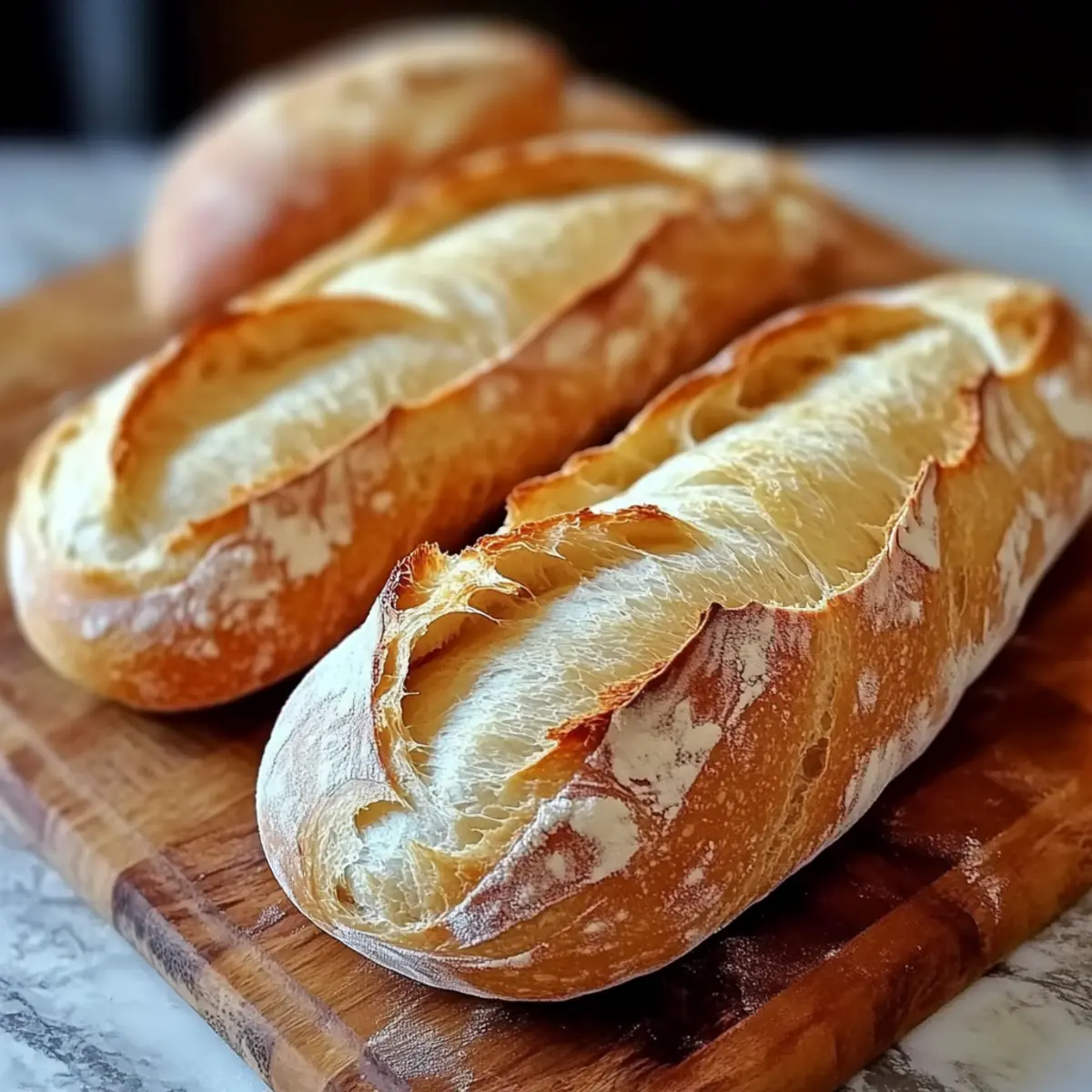
Why Make Homemade Baguette?
Irresistible Freshness: There’s nothing quite like pulling a warm baguette from your oven, with a crispy crust and soft, airy interior.
Customizable Adventures: Feel free to explore variations like Herb-Infused or Cheesy Delight, making it uniquely yours!
Simplicity in the Kitchen: This recipe is perfect for beginners—just mix, knead, and bake!
Crowd-Pleasing Appeal: Impress friends and family at your next gathering with the aroma of freshly baked bread that fills your home.
Time-Saving Tips: Make the dough ahead or freeze unbaked baguettes to serve whenever the craving strikes.
Pair it with a comforting soup or delicious Chicken Caesar Sandwich for a delightful meal!
Homemade Baguette Ingredients
For the Dough
• Bread Flour or All-Purpose Flour – Provides structure and texture; bread flour yields chewier baguettes while all-purpose flour is a convenient substitute.
• Lukewarm Water (about 110°F/43°C) – Activates yeast and hydrates the dough; using a thermometer helps achieve the perfect temperature.
• Active Dry Yeast (2 ¼ teaspoons or 1 packet) – The key leavening agent that makes the dough rise; instant yeast can be used directly without activation for ease.
• Salt (1 ½ teaspoons) – Enhances flavor and strengthens gluten structure; essential for a great-tasting baguette.
• Sugar (1 teaspoon) – Aids yeast activation and adds a hint of sweetness; you can reduce it for a less sweet loaf.
• Egg White (1, beaten) – Gives a shiny crust that makes your homemade baguette visually appealing; optional but highly recommended.
For the Glaze
• Water (1 tablespoon) – Thins the egg white to ensure an even application for that perfect golden finish.
Embrace the joy of baking with this Homemade Baguette recipe; your kitchen will soon be filled with delightful aromas and the promise of delicious meals ahead!
Step‑by‑Step Instructions for Homemade Baguette
Step 1: Activate the Yeast
In a small bowl, combine 1 cup of lukewarm water (about 110°F/43°C) with 2 ¼ teaspoons of active dry yeast and 1 teaspoon of sugar. Stir gently, then set aside for 5 to 10 minutes until the mixture becomes frothy, indicating that the yeast is active. This step is crucial for a well-risen homemade baguette.
Step 2: Make the Dough
In a large mixing bowl, whisk together 3 ¼ cups of bread flour and 1 ½ teaspoons of salt. Once combined, pour in the frothy yeast mixture and stir until a shaggy dough forms. Transfer the dough to a floured surface and knead for 8 to 10 minutes until it becomes smooth and elastic—this ensures a chewy texture in your baguette.
Step 3: First Rise
Shape the kneaded dough into a ball and place it in a lightly oiled bowl, turning it to coat with oil. Cover the bowl with a damp cloth or plastic wrap, and let it rise in a warm, draft-free area until it doubles in size, about 1 to 1.5 hours. This first rise is essential for developing flavor and texture in your homemade baguette.
Step 4: Shape Baguettes
Once the dough has risen, gently punch it down to release the air. Divide the dough into two equal pieces, then shape each piece into a long baguette by rolling it on a floured surface. Transfer the shaped baguettes to a parchment-lined baking sheet, ensuring they have enough space to expand as they rise again.
Step 5: Second Rise
Cover the shaped baguettes loosely with a kitchen towel and let them rise for another 30 to 45 minutes, or until they are noticeably larger. This step helps develop the perfect crust and airy crumb, making your homemade baguette truly irresistible.
Step 6: Preheat Oven
While the baguettes are rising, preheat your oven to 450°F (230°C). Place a shallow pan at the bottom of the oven to create steam during baking—this is vital for achieving that crispy crust. Prepare your egg wash by mixing 1 beaten egg white with 1 tablespoon of water to help glaze the baguettes for a beautiful finish.
Step 7: Score and Bake
Once preheated, use a sharp knife or lame to make several diagonal slashes across the top of each baguette. Brush the scored tops generously with the egg wash, then carefully add hot water to the shallow pan in the oven. Bake the baguettes for 20 to 25 minutes, until they turn golden brown and sound hollow when tapped on the bottom.
Step 8: Cool & Serve
After baking, remove the baguettes from the oven and transfer them to a wire rack. Allow them to cool for 10 to 15 minutes before slicing. This cooling period enhances the flavors and texture, making your homemade baguette ready for sandwiches or to accompany a delightful meal.
Make Ahead Options
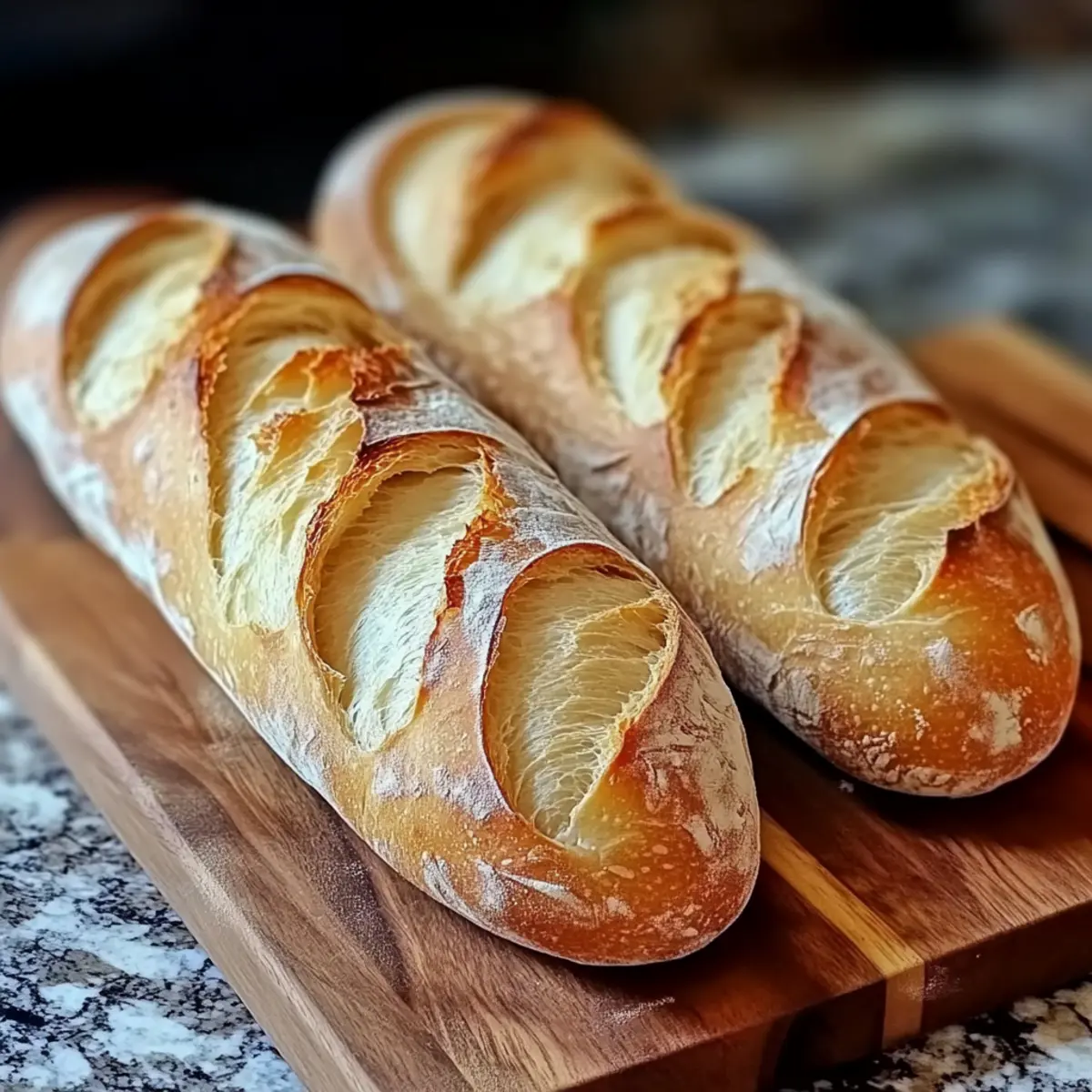
These Homemade Baguettes are perfect for meal prep enthusiasts! You can prepare the dough up to 24 hours in advance by making it and refrigerating it after the first rise. To do this, simply shape the dough into a ball, place it in an oiled bowl, cover it with plastic wrap, and store it in the fridge. This not only saves time but allows the flavors to develop more deeply. When you’re ready to bake, take it out, let it rise again for about 30-45 minutes at room temperature, then shape and bake as instructed. Your baguettes will be just as delicious, with that signature crust and airy interior, ready to impress during busy weeknights!
Homemade Baguette Variations You’ll Love
Feel free to get creative and make this homemade baguette truly yours with these delightful twists!
- Whole Wheat: Substitute whole wheat flour for a heartier flavor and added nutrition that brings a nutty taste.
- Cheesy Delight: Fold in shredded cheese like cheddar or Gruyère for an indulgent baguette that delivers a cheesy surprise with every bite.
- Herb-Infused: Toss in your favorite herbs, such as rosemary or thyme, to create an aromatic loaf that pairs beautifully with soups and salads.
- Sweet Touch: Replace sugar with honey or malt syrup to lend a subtle sweetness that complements both savory and sweet toppings.
- Garlic Lover’s: Incorporate minced garlic into the dough for a robust, savory flavor perfect for evening gatherings. The aroma alone will have everyone coming back for seconds!
- Seed Topping: Before baking, sprinkle sesame or poppy seeds on top for a delightful crunch that adds texture and a touch of elegance.
- Olive Oil: Swap out some water with olive oil for a Mediterranean flair, providing a rich flavor while keeping the baguette moist.
- Spicy Kick: Stir in crushed red pepper flakes for a bold twist that excites the taste buds, ideal for those who enjoy a little heat.
And if you find yourself wanting a delicious sandwich idea, why not pair your baguette with a mouthwatering Chicken Caesar Sandwich? The possibilities are endless—get ready to enjoy your homemade bread adventure!
What to Serve with Homemade Baguette
There’s nothing quite like a warm, crusty baguette to elevate your mealtime, whether it’s a cozy family dinner or a casual gathering with friends.
-
Creamy Tomato Soup: The smooth, rich flavors of this classic soup complement the crunchy exterior of the baguette, creating a comforting pairing.
-
Herbed Butter: Spread this fragrant, velvety butter on warm slices for a simple yet luxurious addition, enhancing the baguette’s natural flavors.
-
Cheese Board: A selection of cheeses like Brie, Camembert, and aged Cheddar transforms your baguette into a delightful centerpiece for social occasions. Pair with fruits and nuts for added texture.
-
Roasted Garlic Dip: This savory, aromatic dip pairs beautifully with the airy crumb of the baguette, making each bite burst with flavor and warmth.
-
Olive Oil & Balsamic Vinegar: A simple yet indulgent option for drizzling or dipping, this combination enhances the baguette’s taste while bringing a fresh tang to your meal.
-
Classic French Onion Soup: Enjoy the exquisite blend of caramelized onions and melted cheese in this hearty soup, with the baguette serving as the perfect crunchy vessel for that delicious goodness.
-
White Wine: A crisp Sauvignon Blanc or a light Chardonnay provides a refreshing contrast that balances the warm, comforting qualities of the freshly baked baguette.
-
Fresh Salad: A light, zesty salad featuring greens, cherry tomatoes, and a tangy vinaigrette adds a vibrant touch, enhancing the meal’s overall freshness.
With these pairings, your homemade baguette will shine, transforming any occasion into a memorable feast!
How to Store and Freeze Homemade Baguette
Room Temperature: Store your baked baguette in a paper bag at room temperature for up to 2 days to maintain its crusty exterior and soft interior.
Freezer: For longer storage, wrap the unbaked shaped baguettes tightly in plastic wrap, then in aluminum foil, and freeze for up to 1 month; just thaw and bake when you’re ready for that fresh homemade baguette experience.
Reheating: Revive day-old baguettes by preheating your oven to 375°F (190°C) and baking for 5-10 minutes; this restores the crust’s crispness and enhances the delightful aroma.
Avoid Plastic: Do not store baguettes in plastic bags as they trap moisture and lead to a soggy texture; stick with breathable materials for best results.
Expert Tips for Homemade Baguette
-
Choose the Flour Wisely: Using bread flour gives you that chewier texture which is ideal for a classic homemade baguette. All-purpose flour will work as a substitute but may alter the texture slightly.
-
Monitor Yeast Activity: Always check for froth after activating the yeast. If it doesn’t froth, your yeast might be expired and could lead to a dense bread.
-
Perfect Rise Temperature: Keep the dough in a warm, draft-free area during rising. This helps the yeast work its magic, yielding that airy interior we all love in a baguette.
-
Don’t Rush Cooling: After baking, allow the baguettes to cool completely on a wire rack. Cutting too soon can result in a gummy texture rather than the delightful crust you desire.
-
Store Correctly: For the best freshness, store your baked homemade baguette in a paper bag at room temperature for up to 2 days; plastic will make it soggy.
-
Revive Stale Baguette: If your baguette loses its crunch, simply reheat it in the oven at 375°F (190°C) for 5-10 minutes to restore that fresh-baked texture.
Homemade Baguette Recipe FAQs
How do I select the best flour for making baguettes?
Absolutely! Using bread flour is ideal for achieving that quintessential chewy texture, while all-purpose flour makes a suitable substitute without the same chewiness. I often prefer bread flour, especially for its gluten content that provides structure to the baguette.
What’s the best way to store homemade baguettes?
For peak freshness, place your baked baguette in a paper bag at room temperature. This allows air circulation, preserving that lovely crispy crust for up to 2 days. Avoid plastic wraps, as they trap moisture and can make the bread go stale faster.
Can I freeze unbaked baguette dough? How?
Yes! To freeze your unbaked baguettes, shape them and wrap each tightly in plastic wrap followed by aluminum foil. You can keep them in the freezer for up to a month. When you’re ready to bake, simply thaw them in the refrigerator overnight, let them rise again for 30-45 minutes, and bake as directed for a fresh homemade baguette!
What should I do if my baguette doesn’t rise properly?
Very! If your dough isn’t rising, it likely means the yeast wasn’t activated properly, or the room was too cold. Make sure your yeast is current and always check for froth after activation—this shows it’s alive! For the next rise, try placing the dough in a warmer area, like near a preheating oven, to encourage better yeast activity.
Are there any dietary considerations for homemade baguettes?
It’s great to consider! This homemade baguette recipe primarily uses common ingredients, so it’s generally safe for most. However, if you have allergies, ensure you’re using gluten-free flour if you’re gluten intolerant or celiac. For pet owners, avoid feeding bread to dogs or cats as it can be hard on their digestion.
How do I know if my baguette is done baking?
To check if your baguette is fully baked, tap the bottom; it should sound hollow. The crust will also be golden and have a nice crackle. If you’re unsure, a baking thermometer is a great tool; an internal temperature of about 190°F (88°C) indicates a perfectly baked baguette.
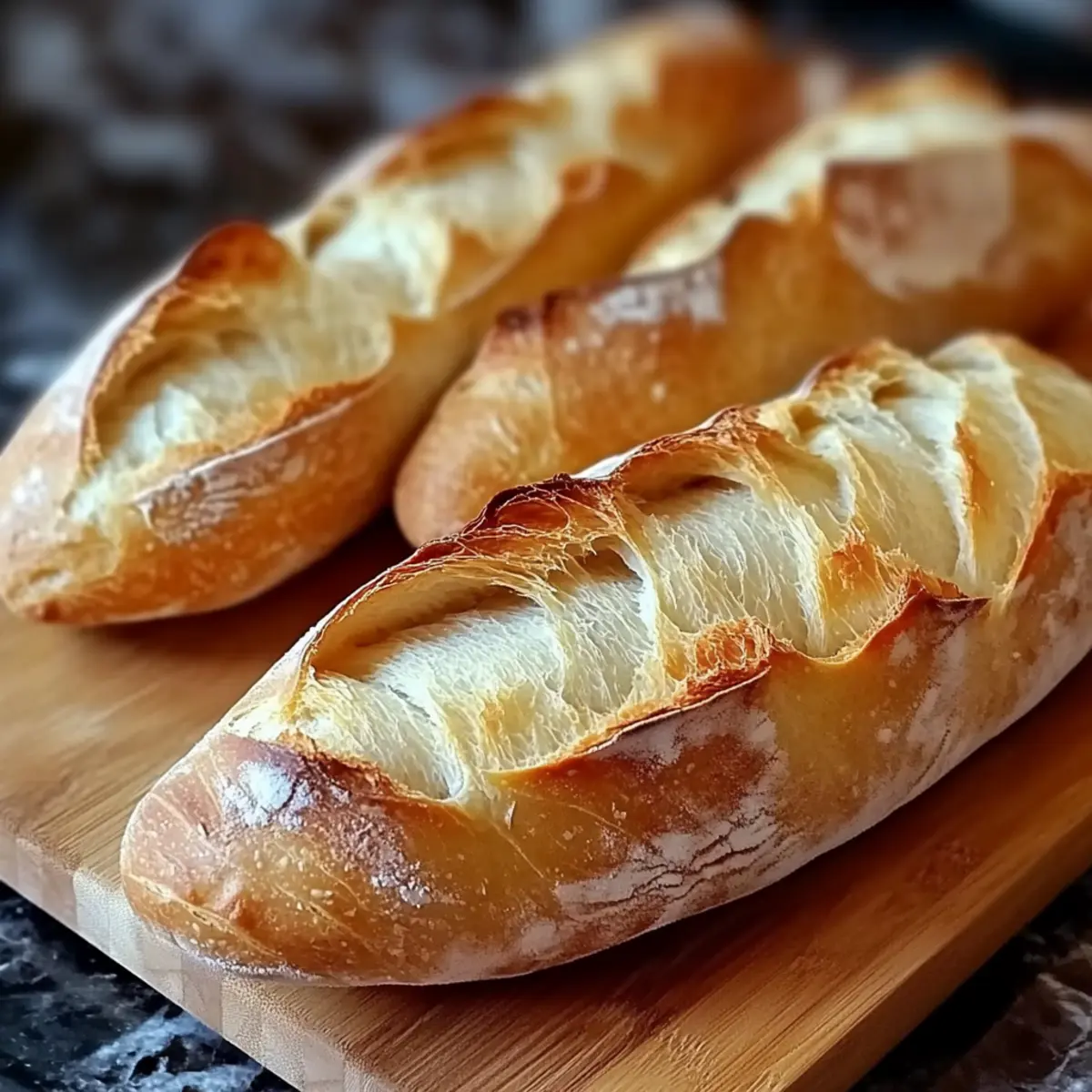
Irresistibly Fresh Homemade Baguette for Cozy Moments
Ingredients
Equipment
Method
- Activate the Yeast: Combine 1 cup of lukewarm water with 2 ¼ teaspoons of active dry yeast and 1 teaspoon of sugar. Stir and set aside for 5 to 10 minutes until frothy.
- Make the Dough: Whisk together 3 ¼ cups of bread flour and 1 ½ teaspoons of salt in a bowl. Pour in the yeast mixture and stir until a shaggy dough forms. Knead on a floured surface for 8 to 10 minutes.
- First Rise: Shape the dough into a ball and place it in a lightly oiled bowl. Cover and let it rise until doubled, about 1 to 1.5 hours.
- Shape Baguettes: Punch down the dough, divide it, and shape each half into a long baguette. Place on a parchment-lined baking sheet.
- Second Rise: Cover loosely with a towel and let rise for another 30 to 45 minutes.
- Preheat Oven: Preheat to 450°F (230°C) and place a shallow pan for steam at the bottom.
- Score and Bake: Score the tops of baguettes, brush with egg wash, and bake for 20 to 25 minutes until golden brown.
- Cool & Serve: Transfer to a wire rack and cool for 10 to 15 minutes before slicing.
Leave a Reply